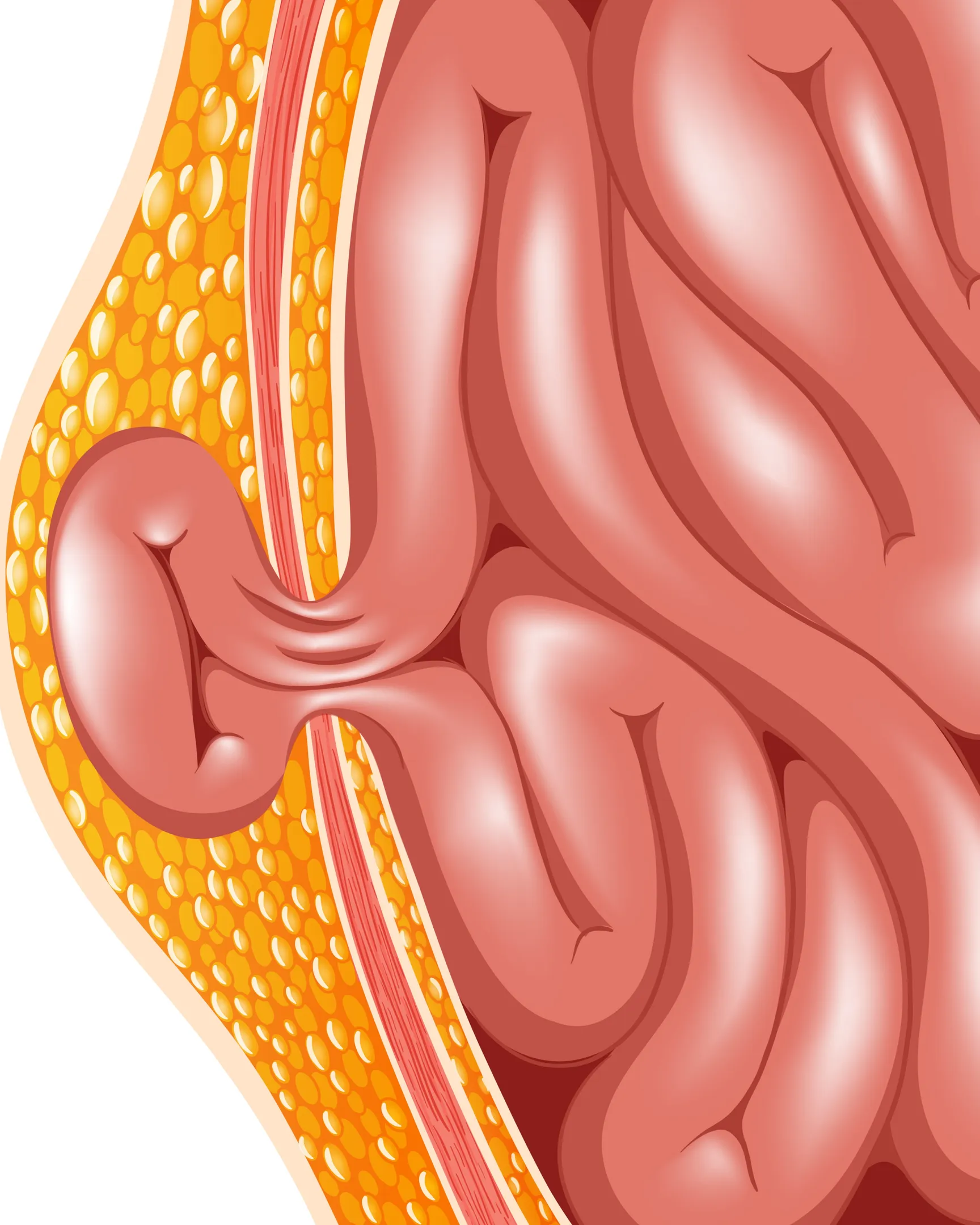
A small swelling in the groin or abdomen is easy to ignore when it is painless. Some people notice it only while coughing, exercising, lifting something heavy, or standing for long periods. Yet these are common ways a hernia can first become apparent.
Consulting a Hernia Treatment Specialist in Thane becomes important when a suspected hernia causes symptoms, changes in size, or raises concerns about complications.
What Is a Hernia?
A hernia develops when tissue or an internal structure pushes through a weak area in the surrounding muscle or abdominal wall.
Several types can occur.
An inguinal hernia develops around the groin and is among the most common types. Umbilical hernias occur around the navel, while incisional hernias can develop through a weakened area associated with a previous surgical incision.
The location and characteristics of the hernia influence treatment planning.
Signs That Should Not Be Ignored
A visible or palpable bulge is a common symptom, but hernias do not always produce severe pain.
People may notice:
- A groin or abdominal swelling
- A bulge that becomes prominent on standing
- Discomfort during coughing
- Pain or heaviness while lifting
- Pulling or dragging sensation
- Swelling that reduces while lying down
- Increasing difficulty with physical activity
Symptoms can gradually become more noticeable as a hernia enlarges.
When Does a Hernia Become Urgent?
A hernia that suddenly becomes severely painful requires prompt assessment, particularly when the swelling cannot be pushed back or does not reduce while lying down.
Urgent medical evaluation may also be needed when pain is accompanied by:
- Vomiting
- Abdominal distension
- Fever
- Redness around the swelling
- Inability to pass stool or gas
- Sudden worsening of tenderness
These symptoms can indicate obstruction or compromised blood supply to trapped tissue. Such complications should not be managed by waiting for a routine appointment.
Will a Hernia Heal Without Surgery?
Adult abdominal wall hernias generally do not close simply through exercise, medication, or wearing a support belt.
Some small or minimally symptomatic hernias may be observed under medical guidance depending on their type and the patient's circumstances. Others may be advised for elective repair.
The decision depends on symptoms, size, location, reducibility, medical fitness, occupation, and risk of complications.
What About Laparoscopic Hernia Repair?
Hernia surgery can be performed using different techniques.
Depending on the type of hernia and individual circumstances, an open or laparoscopic approach may be considered. Laparoscopic repair uses small incisions and specialised instruments to access the affected area.
Potential considerations include previous operations, recurrent hernia, whether the hernia is present on one or both sides, overall health, and the surgeon's assessment.
Mesh may be used in many adult hernia repairs to reinforce the weakened area. Patients should discuss the proposed technique and materials during consultation.
Activities Before Assessment
People often worry that every movement will worsen a hernia. Complete inactivity is usually unnecessary unless advised by a clinician, but activities that consistently provoke pain or significant pressure should be approached cautiously.
It is also important to address chronic coughing or constipation because repeated straining increases abdominal pressure.
A support belt may temporarily reduce discomfort for some patients but should not be treated as a cure.
Getting a Hernia Evaluated in Thane
For residents of Thane and nearby areas of Maharashtra, early consultation can clarify whether a swelling is actually a hernia and whether observation or repair is appropriate.
Clinical examination is often central to diagnosis. Ultrasound or other imaging may be advised when the diagnosis is uncertain or additional anatomical information is required.
Dr Pallavi Ajankar, Laparoscopy, Laser Piles Surgeon evaluates patients with suspected abdominal wall and groin hernias and discusses surgical options where indicated.
A hernia is often easier to assess before it becomes an emergency. Recognising changes in the swelling, discomfort, or associated digestive symptoms helps patients seek timely evaluation and make a planned treatment decision rather than waiting for complications.
Keywords