Gallstones are sometimes discovered unexpectedly during an ultrasound performed for another reason. This creates an understandable question: if stones are present but symptoms are mild or absent, does the gallbladder need to be removed?
A Gallstone Treatment Specialist in Thane evaluates more than the ultrasound report. Symptoms, complications, examination findings, medical history, and imaging all contribute to deciding whether observation or surgical treatment is appropriate.
Gallstones Do Not Affect Everyone the Same Way
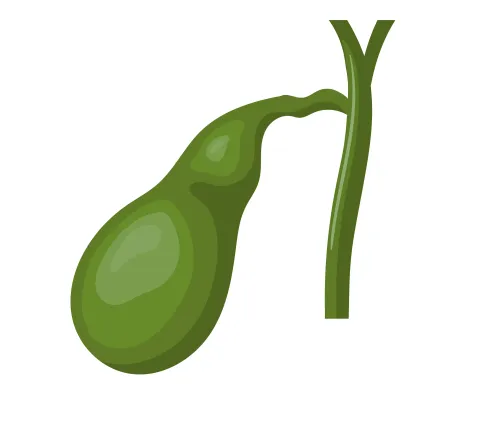
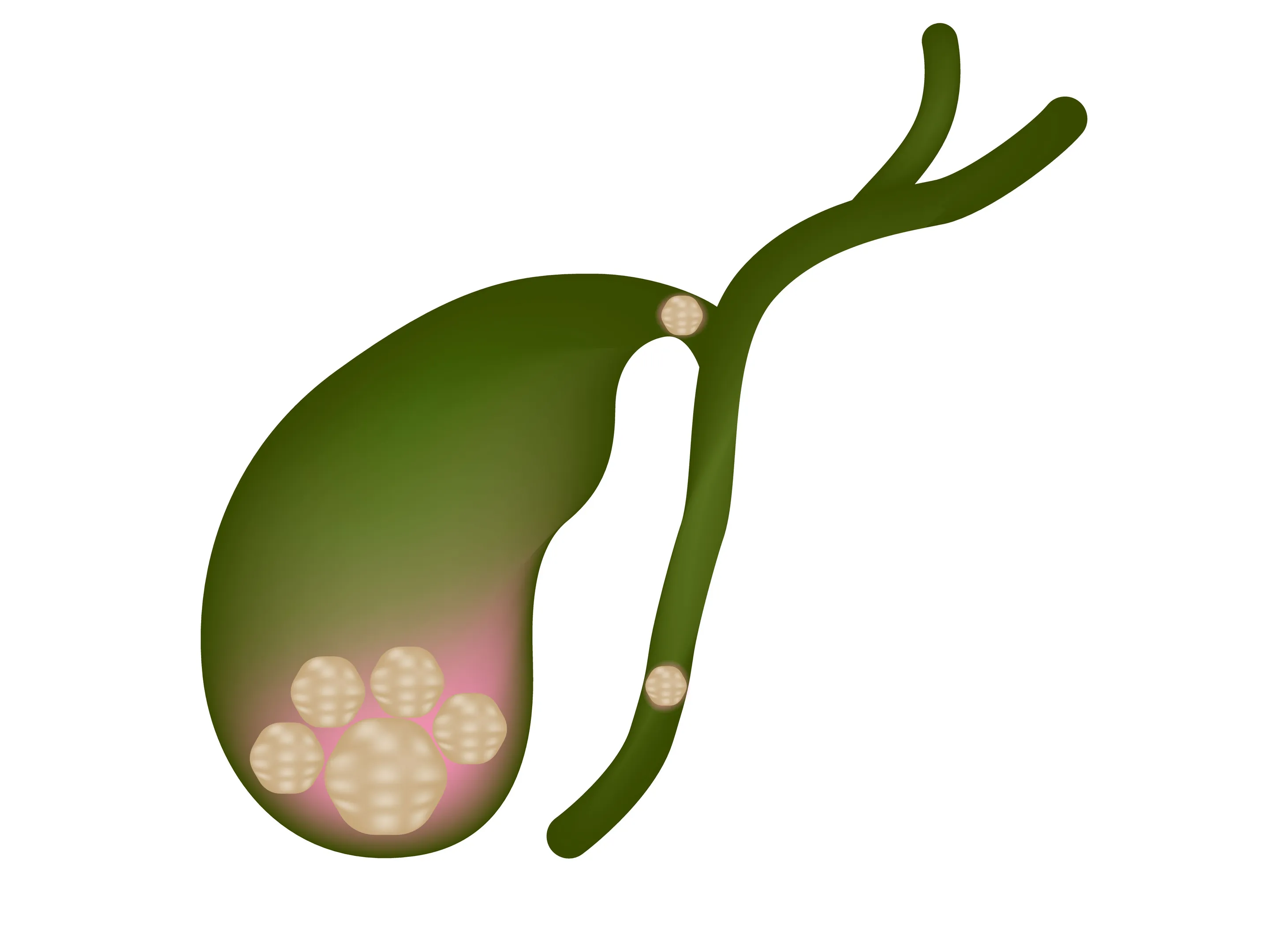
Gallstones form inside the gallbladder and may remain silent in some people.
Others develop characteristic attacks of pain, often in the upper abdomen, particularly after meals. Pain can sometimes extend toward the back or right shoulder and may be accompanied by nausea or vomiting.
The presence of stones alone does not tell the entire clinical story.
When Observation May Be Considered
Gallstones found incidentally without typical symptoms may not always require immediate surgery.
The decision depends on the individual clinical situation. Patients should avoid assuming that every gallstone requires an operation simply because it appears on an ultrasound.
Regular medical review may be appropriate when observation is recommended.
When Symptoms Change the Discussion
Recurrent attacks of typical gallbladder pain make treatment considerations different from an incidental ultrasound finding.
Surgical assessment becomes particularly important when episodes become frequent or complications are suspected.
Potential gallstone-related complications include inflammation of the gallbladder, stones affecting the bile duct, jaundice, and inflammation involving the pancreas.
Symptoms such as persistent severe upper abdominal pain, fever, repeated vomiting, or yellowing of the eyes or skin require timely medical assessment.
Do Medicines Dissolve Gallstones?
Patients frequently search for ways to remove gallstones without surgery.
Medication has a limited role in selected circumstances and is not a simple substitute for gallbladder surgery in most symptomatic cases. Dietary changes may reduce symptom triggers for some people but do not reliably eliminate established gallstones.
Treatment should therefore be based on the type of symptoms and the risk-benefit assessment rather than promises of a universal non-surgical cure.
What Does Surgery Involve?
When surgery is indicated, the usual operation involves removal of the gallbladder rather than simply removing individual stones and leaving the gallbladder in place.
Laparoscopic gallbladder removal is commonly used when clinically suitable. Small incisions provide access for the camera and surgical instruments.
Patients generally undergo preoperative evaluation, which may include blood tests, ultrasonography, assessment for anaesthesia, and additional imaging when clinically necessary.
Questions Worth Asking Before Deciding
If surgery has been recommended, patients can ask:
- Are my symptoms typical of gallstone disease?
- Is there evidence of inflammation?
- Is the bile duct normal?
- What happens if I postpone treatment?
- Is laparoscopic surgery appropriate for me?
- What are the important risks?
- How long is recovery likely to take?
- Are there temporary dietary restrictions afterward?
These questions are particularly helpful when comparing treatment recommendations from different providers.
Choosing Treatment Based on Clinical Need
For people in Thane and the wider Maharashtra region, easy access to ultrasound facilities means gallstones are often detected before severe complications occur. The challenge is deciding what an imaging finding means for the individual patient.
Dr Pallavi Ajankar, Laparoscopy, Laser Piles Surgeon assesses patients with gallstone-related symptoms and discusses surgical management when clinically indicated.
An ultrasound report should not be treated in isolation. Someone with silent gallstones may have different needs from a patient experiencing repeated painful attacks. Understanding that distinction allows treatment to be based on symptoms, clinical risk, and medical evidence rather than fear of the word stones.
Keywords