Piles treatment has expanded beyond creams, tablets, and conventional surgery, giving patients several possible management options. More choice can be useful, but it can also make decision-making confusing. A procedure advertised as advanced is not automatically the correct treatment for every patient with rectal bleeding or discomfort.
Choosing Advanced Piles Treatment in Thane should begin with confirming that piles are actually responsible for the symptoms and determining their severity.
Confirm the Diagnosis First
Fresh blood during bowel movements is commonly associated with haemorrhoids, but piles are not the only possible explanation for rectal bleeding.
A clinical assessment is therefore important, especially when bleeding is persistent, recurrent, or accompanied by changes in bowel habits or other symptoms.
Depending on the case, examination may include inspection and proctoscopic evaluation. Additional investigation may be advised where clinically indicated.
Understand the Severity of Piles
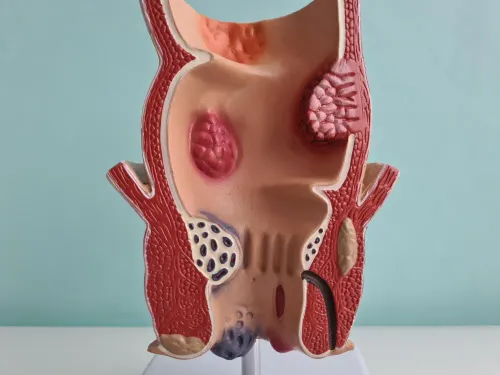
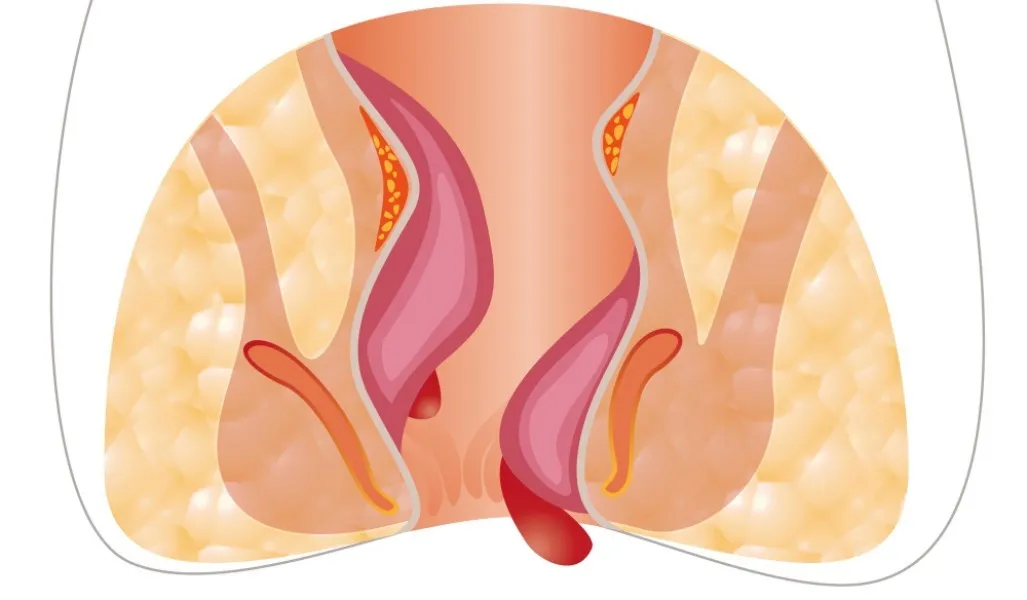
Internal haemorrhoids are often described according to the degree of prolapse.
Early disease may mainly cause bleeding, while more advanced haemorrhoids can protrude during bowel movements or remain prolapsed.
Symptoms can include:
- Bright red bleeding
- Prolapse
- Anal discomfort
- Mucus discharge
- Irritation or itching
- Difficulty maintaining hygiene
The severity and dominant symptom help determine which treatment options are reasonable.
Start With Appropriate Conservative Care
Not every patient needs a procedure.
For mild symptoms, management may include improving fibre intake, drinking adequate fluids, avoiding prolonged straining, correcting constipation, and following prescribed medication where appropriate.
These measures address factors that can aggravate haemorrhoidal symptoms.
However, recurrent bleeding or significant prolapse despite appropriate conservative treatment may require procedural assessment.
Compare Procedures by Suitability
Patients may encounter terms such as laser piles treatment, haemorrhoidectomy, stapled procedures, and other techniques.
Instead of choosing by name, ask what the proposed procedure is intended to accomplish.
Useful questions include:
- Which type or grade of piles do I have?
- Why is this procedure suitable?
- Are there reasonable non-surgical alternatives?
- What kind of anaesthesia is used?
- What discomfort is expected afterward?
- What is the possibility of recurrence?
- How quickly can normal bowel movements and work resume?
No technique should be presented as universally appropriate.
Be Cautious With Guarantee-Based Claims
Piles treatment can be surrounded by marketing claims about being completely painless, permanently curative, or requiring no recovery.
Patients should approach absolute promises carefully.
Pain experience varies. Recovery varies. Recurrence risk depends on the disease, treatment, bowel habits, and other individual factors.
A more useful consultation discusses realistic benefits and limitations.
Look at Post-Treatment Planning
The quality of care becomes particularly important after the procedure.
Patients should receive guidance about:
- Pain relief
- Stool-softening measures where prescribed
- Fibre and hydration
- Local hygiene
- Activity
- Follow-up
- Warning symptoms
Preventing hard stool and excessive straining can be an important part of recovery after many anorectal procedures.
Evaluating Piles Care in Thane
People seeking treatment in Thane may find multiple clinics offering conventional, minimally invasive, and laser-based procedures. Comparing them solely by technology can be misleading.
Dr Pallavi Ajankar, Laparoscopy, Laser Piles Surgeon evaluates anorectal symptoms and discusses treatment according to the diagnosis and clinical findings.
For patients across Thane, Maharashtra, readiness for advanced piles treatment is generally indicated when the diagnosis is confirmed, symptoms are significant or persistent, conservative treatment is inadequate where appropriate, and the proposed procedure has been clearly explained.
The objective is not to choose the newest-sounding option. It is to select a treatment that matches the actual condition.
Keywords