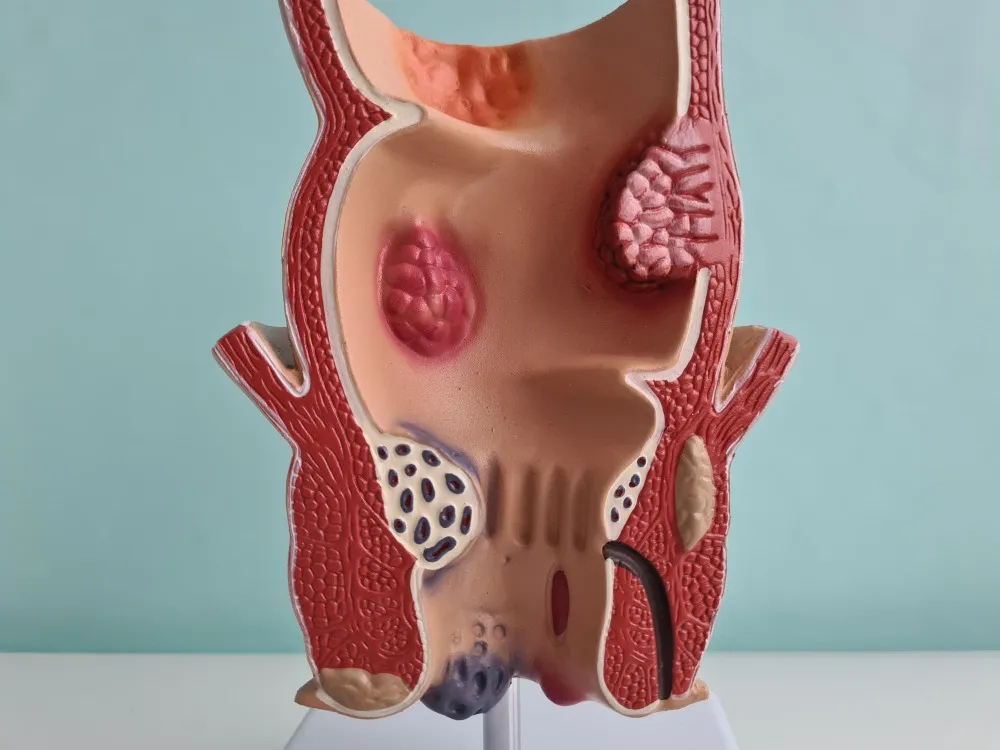
Laser procedures are frequently discussed by patients looking for alternatives to conventional piles surgery. Smaller wounds and potentially easier recovery can make minimally invasive techniques appealing, but the word laser alone does not provide enough information to judge whether a treatment is appropriate.
Before choosing Laser Treatment for Piles in Thane, patients should understand their diagnosis, the proposed technique, its limitations, and the expected recovery process.
Check Whether Your Symptoms Are Actually From Piles
Self-diagnosis is a common mistake.
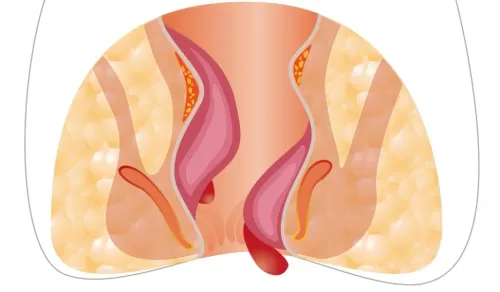
Rectal bleeding, pain, itching, swelling, and difficulty during bowel movements can occur with different anorectal conditions.
For example, severe cutting pain during stool may be associated with an anal fissure. Recurrent pus discharge can suggest a fistula. Rectal bleeding can have causes other than haemorrhoids.
A clinical diagnosis should therefore come before discussion of a laser procedure.
Ask What Laser Treatment Means
The term laser can be used broadly in healthcare marketing.
Patients should ask exactly how laser energy will be used in the proposed procedure and what part of the haemorrhoidal disease the technique is intended to address.
This prevents the technology itself from becoming the treatment decision.
The more important question is: why is this procedure suitable for my particular findings?
Understand Whether Conservative Treatment Has a Role
Early or mild haemorrhoidal symptoms may sometimes improve with bowel-habit modification and appropriate medical treatment.
Common measures include adequate fibre, hydration, avoiding excessive straining, and treating constipation when present.
If symptoms remain persistent, bleeding continues, or significant prolapse is present, procedural treatment may become more appropriate.
Compare Recovery Realistically
Patients frequently search for a painless piles procedure because fear of postoperative discomfort delays treatment.
No clinician can reliably guarantee an identical pain experience for every patient.
Instead, ask practical questions:
- What level of discomfort is commonly expected?
- Which medicines are generally used afterward?
- When can I pass stool normally?
- How soon can I sit comfortably?
- When can I return to office work?
- What activity should I temporarily avoid?
These answers provide more useful information than a simple claim of rapid recovery.
Ask About Risks and Recurrence
Every procedure has possible risks and limitations.
The exact risk profile depends on the treatment being performed and the patient's condition. Patients should receive an explanation of relevant complications, postoperative symptoms, follow-up requirements, and the possibility of recurrent haemorrhoidal symptoms.
Bowel habits also matter after treatment. Persistent constipation and repeated straining can continue to create problems even after technically successful treatment.
Check the Follow-Up Process
Piles treatment does not end when the patient leaves the procedure room.
Before proceeding, understand:
- When follow-up is scheduled
- How bowel movements should be managed
- What diet is recommended initially
- How local hygiene should be maintained
- Which symptoms require earlier review
- How postoperative concerns are handled
Patients travelling within Thane or commuting elsewhere in the Mumbai Metropolitan Region should also discuss when regular travel can be resumed comfortably.
Choose Diagnosis-Based Care
Dr Pallavi Ajankar, Laparoscopy, Laser Piles Surgeon provides assessment for piles and related anorectal conditions in Thane, with procedural options considered according to individual clinical findings.
For anyone comparing laser piles treatment in Thane, Maharashtra, readiness for a procedure should be based on three things: a confirmed diagnosis, a clear reason for choosing the technique, and a realistic understanding of recovery.
Laser technology can be useful in appropriately selected situations, but it should support clinical decision-making rather than replace it.
Keywords