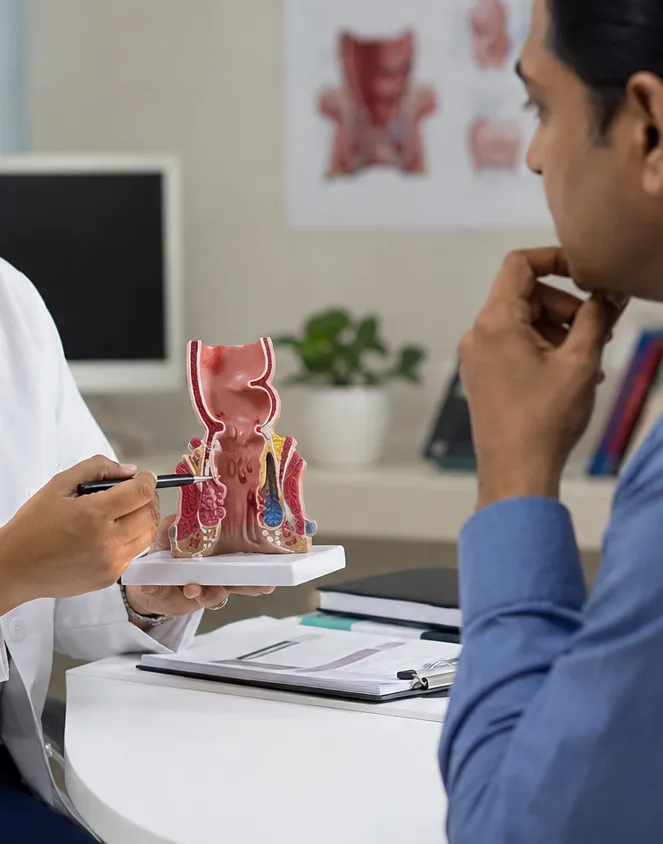
Pain, bleeding, or swelling around the anal region is often assumed to be caused by piles. While haemorrhoids are common, they are not the only reason for anorectal discomfort. Conditions such as anal fissures and fistulas can produce similar symptoms but require different treatment approaches. Understanding the differences is the first step towards receiving Comprehensive Piles, Fissure and Fistula Care in Thane and avoiding unnecessary delays in diagnosis.
Although these conditions affect the same region, they develop for different reasons.
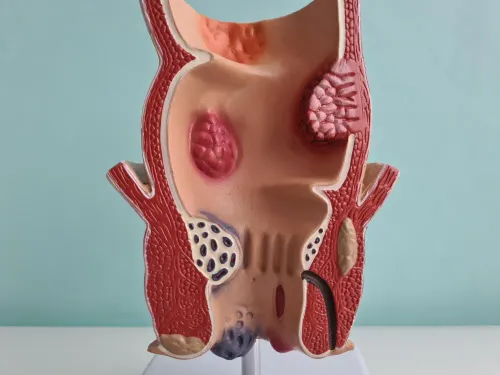
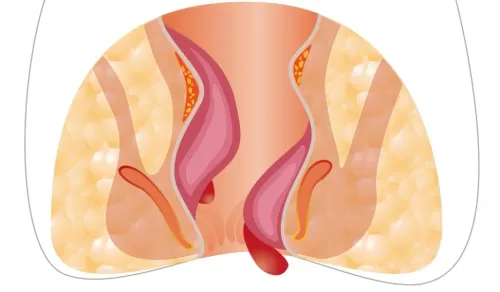
Piles (Haemorrhoids) occur when the veins inside or around the anus become swollen. They are commonly associated with constipation, prolonged straining, pregnancy, obesity, and a low-fibre diet.
Typical symptoms include:
- Bright red bleeding during bowel movements
- Itching around the anus
- Swelling or a soft lump
- Mild discomfort or pain
- Mucus discharge in some cases
Anal Fissure is a small tear in the lining of the anal canal. Unlike piles, fissures usually cause sharp pain during and after passing stools.
Common symptoms include:
- Severe pain while passing stool
- Burning sensation after bowel movements
- Small amounts of bleeding
- Fear of passing stools due to pain
- Constipation resulting from withholding bowel movements
Anal Fistula is an abnormal tunnel that forms between the anal canal and the skin surrounding the anus. It usually develops after an infection or abscess.
Symptoms often include:
- Persistent discharge
- Recurrent swelling
- Pain around the anus
- Skin irritation
- Fever if infection develops
Since these conditions share overlapping symptoms, self-diagnosis can be misleading. Many patients begin treating themselves for piles when the underlying problem is actually a fissure or fistula. Delaying appropriate treatment may lead to prolonged discomfort or recurrent infections.
Diagnosis begins with a detailed history and clinical examination. Depending on the findings, additional investigations may occasionally be recommended to understand the extent of the disease before planning treatment.
Treatment varies according to the diagnosis.
For piles, management may involve:
- Dietary changes
- Increased fluid intake
- Medications
- Lifestyle modification
- Minimally invasive procedures
- Surgery for advanced cases
For fissures:
- Stool softeners
- High-fibre diet
- Warm sitz baths
- Medications to reduce anal muscle spasm
- Surgery in chronic, treatment-resistant cases
For fistulas:
- Surgical treatment is often required because fistulas rarely heal completely with medicines alone.
Patients frequently ask whether laser surgery is suitable for all three conditions. The answer depends on the diagnosis, severity, and individual clinical findings. Modern surgical techniques, including laser-assisted procedures in selected cases, may be considered where appropriate, but treatment should always be individualised rather than based on technology alone.
Preventing recurrence involves maintaining healthy bowel habits.
Simple lifestyle measures include:
- Eating fibre-rich meals
- Drinking adequate water
- Avoiding prolonged constipation
- Staying physically active
- Seeking medical advice early instead of relying solely on home remedies
People across Thane are increasingly consulting specialists earlier because awareness about anorectal health has improved. Early diagnosis often allows treatment before symptoms become more severe or complications develop.
Dr Pallavi Ajankar, Laparoscopy and Laser Piles Surgeon provides evaluation for piles, fissures, fistulas, and related anorectal conditions. Every patient undergoes a detailed assessment to identify the exact cause of symptoms before recommending medical or surgical treatment.
Rather than assuming every episode of anal pain or bleeding is caused by piles, seeking timely medical evaluation helps ensure the correct diagnosis and the most appropriate treatment plan for long-term relief.
Keywords