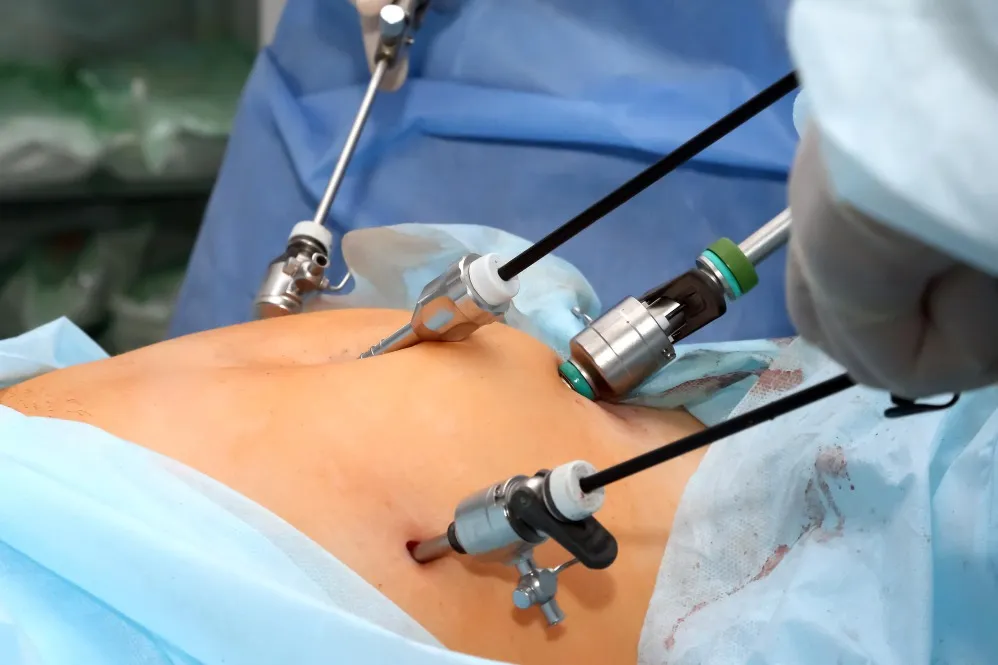
Many patients hear the term advanced laparoscopy and assume it simply means operating through smaller cuts. In reality, minimally invasive surgery involves careful planning before the operation begins. The diagnosis, anatomy, medical history, imaging findings, and complexity of the condition all influence the surgical approach.
Understanding how an Advanced Laparoscopic Surgeon in Thane evaluates a case can help patients know what to expect before a planned operation.
Planning Starts With the Diagnosis
The first question is not whether laparoscopic surgery can be performed. It is whether surgery is required at all.
Abdominal pain, swelling, digestive discomfort, or vomiting can have many possible causes. Appropriate examination and investigations help establish what is actually responsible for the symptoms.
Depending on the suspected condition, evaluation may include blood tests, ultrasonography, CT imaging, endoscopy, or other investigations.
Only after the diagnosis is reasonably clear can the surgical strategy be planned.
Previous Surgery Matters
A patient's surgical history can influence laparoscopic planning.
Previous abdominal operations may lead to internal scar tissue known as adhesions. These do not necessarily prevent another laparoscopic procedure, but their location and extent can make access more complex.
Patients should therefore provide details about:
- Previous abdominal or pelvic surgery
- Previous hernia repair
- Past surgical complications
- Existing surgical scars
- Previous infections within the abdomen
This information helps the surgeon anticipate possible technical considerations.
Medical Fitness Is Equally Important
Successful surgical planning involves more than evaluating the affected organ.
Conditions such as diabetes, hypertension, obesity, anaemia, heart disease, respiratory illness, and kidney problems may affect anaesthesia, wound healing, or recovery.
Preoperative assessment may therefore involve medical optimisation before an elective operation is scheduled.
Medicines are also reviewed carefully. Blood-thinning medication, diabetes medicines, supplements, and certain other drugs may require specific instructions before surgery. Patients should not stop prescribed medicines independently.
Why Imaging Is Important
Imaging gives the surgical team valuable information about the affected area.
For gallstones, ultrasonography can help assess the gallbladder and surrounding structures. For certain hernias or gastrointestinal conditions, CT imaging may provide additional anatomical information.
Imaging may help determine:
- Location of the disease
- Size or extent of the problem
- Signs of inflammation
- Surrounding anatomy
- Presence of complications
- Whether additional investigation is necessary
The required investigations differ from one patient to another.
Planning the Procedure
Once surgery is considered appropriate, the surgeon discusses the intended operation and the available approach.
This conversation should cover practical questions such as:
- Why is surgery recommended?
- Is observation or medical treatment reasonable?
- Why is laparoscopy being considered?
- What type of anaesthesia is required?
- What are the important risks?
- How long might hospitalisation be?
- When can normal food and movement resume?
- What restrictions may apply after discharge?
Patients should also understand that unexpected findings during an operation can sometimes require a change in the planned approach.
Recovery Is Considered Before Surgery
Modern surgical planning includes postoperative recovery from the beginning.
Pain control, early mobilisation, hydration, nutrition, wound care, and prevention of complications are all part of the process.
For working professionals and families in Thane, practical recovery planning can also involve arranging transport, household support, time away from work, and assistance during the first few days after discharge.
The appropriate period of rest depends on the operation and type of work performed.
Advanced Does Not Mean More Surgery
An important principle is that advanced surgical capability should not translate into unnecessary intervention.
Sometimes the appropriate decision is to observe a condition, perform additional investigations, or continue medical management. In other situations, delaying surgery may increase the likelihood of complications.
The purpose of specialist assessment is to distinguish between these situations.
Dr Pallavi Ajankar, Laparoscopy, Laser Piles Surgeon evaluates patients in Thane who may require laparoscopic treatment for appropriate surgical conditions. Treatment planning is based on the diagnosis, clinical findings, investigations, and individual medical considerations.
For patients across Thane, Maharashtra, understanding this process can make surgical consultations more productive. The most useful questions are not simply about incision size, but about why an operation is necessary, what alternatives exist, and which surgical approach is appropriate for the individual case.
Keywords