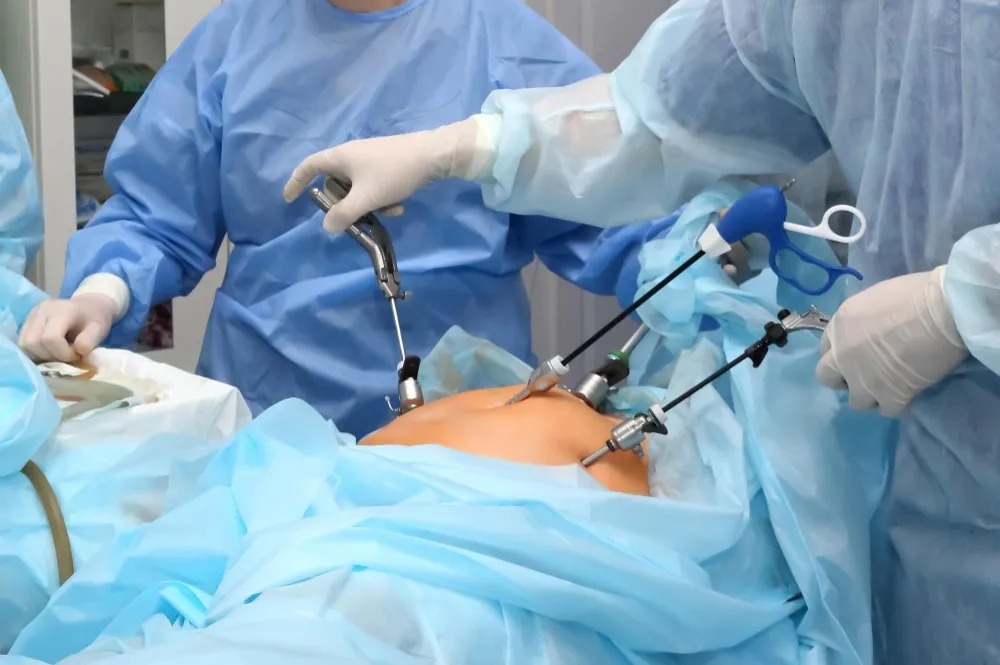
Medical technology has transformed the way many abdominal conditions are treated. Procedures that once required large incisions and prolonged recovery can now often be performed through smaller openings using specialised instruments. Consulting a Minimally Invasive Laparoscopy Surgery Specialist in Thane allows patients to understand whether keyhole surgery is appropriate for their specific condition.
Laparoscopic surgery is a technique in which surgeons operate through small incisions using a camera called a laparoscope and specially designed surgical instruments. The camera provides a magnified view of internal organs, allowing precise surgical movements while minimising disruption to surrounding tissues.
Not every condition requires laparoscopic surgery, but many abdominal disorders can be effectively managed using this approach when clinically appropriate.
Common conditions include:
- Gallbladder stones
- Hernias
- Appendicitis
- Certain gastrointestinal disorders
- Some colorectal conditions
- Diagnostic abdominal procedures
- Selected gynaecological conditions
- Adhesion-related abdominal problems in carefully selected patients
One of the main reasons patients prefer minimally invasive surgery is the potential for quicker recovery. Since the incisions are smaller than those used in conventional open surgery, many patients experience less postoperative discomfort and are able to return to routine activities sooner.
Additional advantages may include:
- Smaller scars
- Reduced blood loss in many procedures
- Earlier mobilisation
- Lower risk of certain wound-related complications
- Shorter hospital stay for suitable cases
Despite these advantages, laparoscopic surgery is not automatically the best choice for everyone. Factors influencing suitability include:
- Overall health
- Previous abdominal surgeries
- Complexity of the condition
- Presence of infection
- Emergency versus planned surgery
- Imaging findings
A thorough preoperative assessment helps determine the safest and most effective surgical approach.
Patients are sometimes concerned that smaller incisions mean the surgery is less effective. In reality, laparoscopic surgery aims to achieve the same treatment goals as open surgery while using a different access technique. The decision is based on what provides the best outcome for the patient rather than cosmetic appearance alone.
Preparing for laparoscopic surgery generally involves:
- Clinical evaluation
- Blood investigations
- Imaging studies
- Anaesthesia assessment
- Medication review
- Fasting instructions before surgery
Recovery varies according to the procedure performed. Walking early, following dietary recommendations, caring for the incision sites, and attending follow-up appointments all contribute to successful healing.
Patients should also understand that conversion from laparoscopic to open surgery may occasionally become necessary if unexpected findings arise during the procedure. While uncommon, this decision is made only when it supports patient safety.
Across Thane, awareness of minimally invasive surgery continues to grow as more patients seek treatment options that balance effective surgical care with comfortable recovery. However, choosing a qualified surgeon remains more important than choosing a particular technology.
Dr Pallavi Ajankar, Laparoscopy and Laser Piles Surgeon offers comprehensive evaluation for a wide range of laparoscopic surgical conditions, helping patients understand available treatment options through personalised consultations and evidence-based recommendations.
Every surgical journey begins with an accurate diagnosis. By seeking timely evaluation and understanding the benefits and limitations of minimally invasive surgery, patients can make informed decisions that support both their immediate treatment needs and long-term health.
Keywords