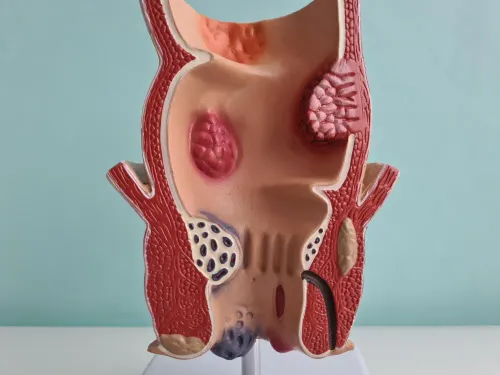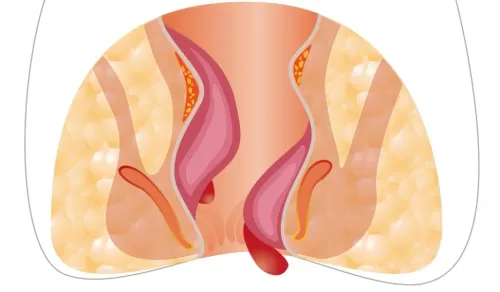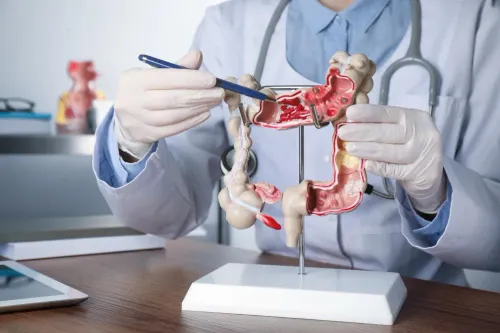
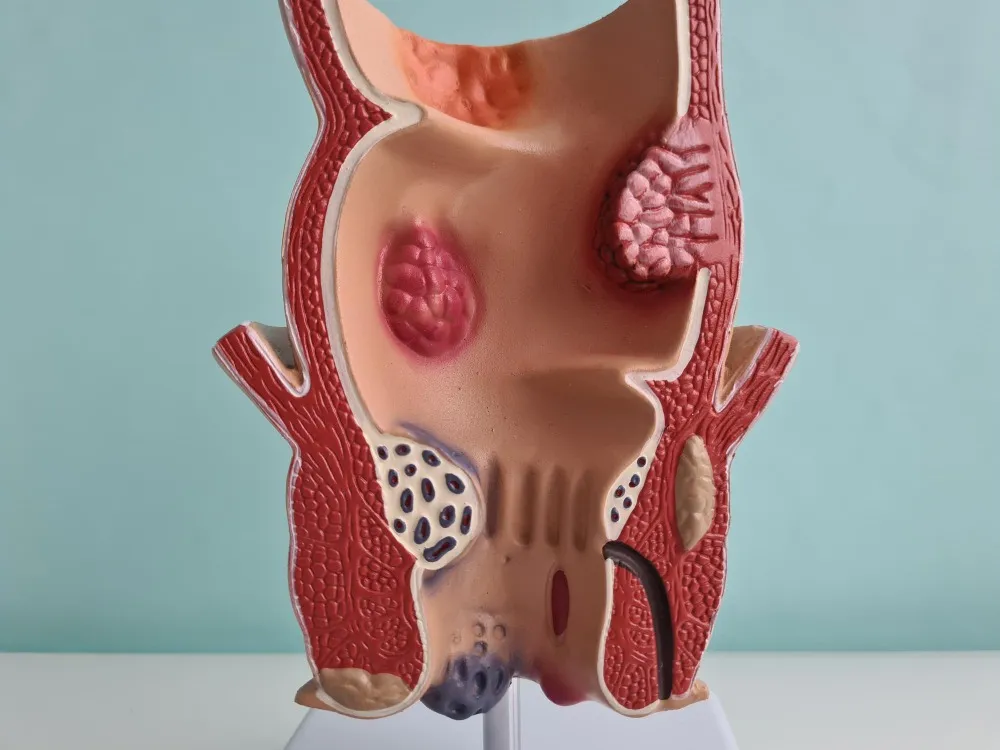
Learning that surgery may be required for an anorectal condition can naturally raise several questions. Patients often wonder how to prepare, what to expect on the day of surgery, and how recovery will progress. Understanding the process of Piles, Fissure and Fistula Surgery in Thane can reduce anxiety and help patients approach treatment with confidence.
Not every patient with piles, fissures, or fistulas requires surgery. Doctors generally recommend an operation when conservative treatments have not provided sufficient relief or when the condition has progressed to a stage where surgery offers the most effective solution.
Before planning surgery, your surgeon will perform a thorough evaluation that may include:
- Detailed medical history
- Physical examination
- Review of previous treatments
- Blood investigations
- Assessment of existing medical conditions
- Additional imaging or diagnostic tests when required
Patients should always inform their surgeon about:
- Diabetes or hypertension
- Blood-thinning medications
- Previous surgeries
- Allergies
- Pregnancy or breastfeeding
- Regular medications and supplements
This information helps ensure safe surgical planning.
A few days before surgery, patients may receive specific instructions regarding diet, fasting, bowel preparation, or medication adjustments. Following these instructions carefully can contribute to a smoother surgical experience.
On the day of surgery, patients usually meet the surgical and anaesthesia teams before the procedure. They have an opportunity to discuss any remaining concerns and understand the planned treatment.
The duration of surgery varies depending on:
- The condition being treated
- Disease severity
- Surgical technique
- Individual patient factors
Following surgery, patients are monitored until they are medically stable. Depending on the procedure and recovery, some patients may return home the same day, while others may require a short hospital stay.
Recovery is supported through practical postoperative care, including:
- Pain management as prescribed
- Adequate hydration
- High-fibre diet
- Stool softeners if advised
- Warm sitz baths
- Gradual return to physical activity
- Regular follow-up appointments
Patients often ask how soon they can resume work. Recovery timelines differ according to the type of surgery, occupation, and overall health. Individuals with physically demanding jobs may require more time before returning to full activity compared to those with desk-based work.
One important aspect of recovery is preventing constipation. Hard stools during the healing phase may increase discomfort, making dietary fibre and adequate water intake especially important.
Patients should also know when to contact their doctor after surgery. Medical advice should be sought if they experience:
- Persistent heavy bleeding
- High fever
- Severe pain not controlled by medication
- Difficulty passing urine
- Increasing swelling or discharge
- Symptoms that suddenly worsen
Early communication helps address potential concerns before they become significant problems.
Residents in Thane increasingly seek planned surgical treatment rather than waiting for repeated flare-ups that interfere with work, travel, or family responsibilities. Proper preparation before surgery often contributes to a more comfortable recovery and realistic expectations.
Dr Pallavi Ajankar, Laparoscopy and Laser Piles Surgeon provides comprehensive preoperative counselling and postoperative guidance, ensuring that every patient understands each stage of treatment and recovery before making an informed decision.
Preparing well for surgery involves more than simply arriving on the scheduled date. Understanding the procedure, following medical advice, and actively participating in recovery all contribute to achieving the best possible outcome.