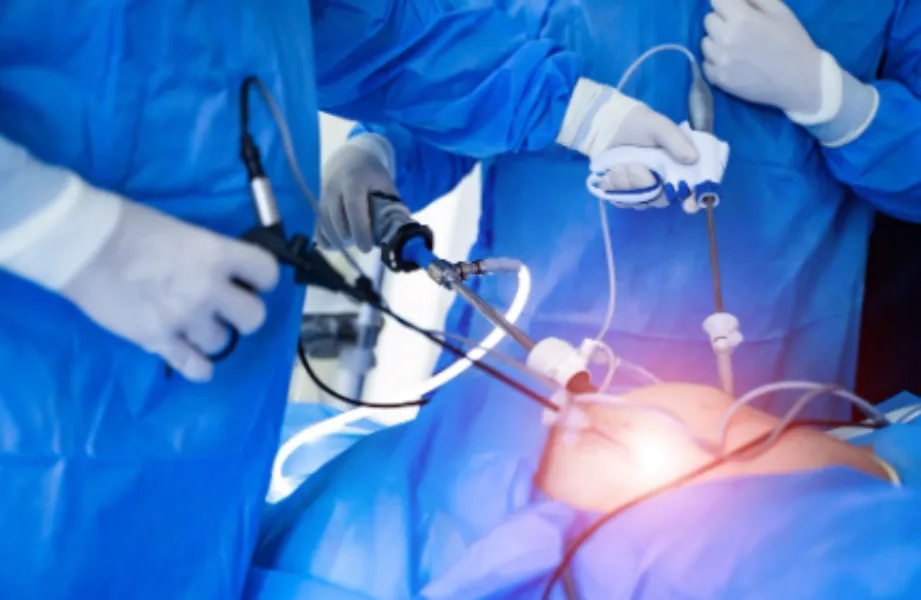
Surgery does not always require a large incision or a prolonged hospital stay. For many abdominal conditions, laparoscopic surgery allows the surgeon to perform an operation through a few small incisions using a camera and specialised instruments. For patients in Thane, understanding when this approach may be appropriate can make discussions about surgical treatment more informed and less confusing.
A Laparoscopic Surgery Specialist in Thane may evaluate conditions involving the gallbladder, appendix, abdominal wall, gastrointestinal tract, and other areas where minimally invasive techniques can be considered.
What Exactly Is Laparoscopic Surgery?
During conventional open surgery, the surgeon usually reaches the affected area through a comparatively larger incision. Laparoscopic surgery uses a different approach.
A thin instrument called a laparoscope carries a camera that provides a magnified view inside the abdomen. Surgical instruments are introduced through additional small openings, allowing the required procedure to be performed without creating one large incision.
The exact technique depends on the condition, complexity of the operation, previous surgeries, and the patient's overall health.
Conditions Commonly Managed Laparoscopically
Laparoscopic techniques may be considered for several surgical conditions, including:
- Gallstones requiring gallbladder removal
- Certain types of hernia
- Appendicitis
- Selected gastrointestinal disorders
- Some colorectal conditions
- Diagnostic evaluation of abdominal problems
Not every patient with these conditions automatically needs surgery. Similarly, not every operation can or should be completed laparoscopically.
A clinical examination and appropriate investigations are necessary before deciding on treatment.
Why Are Smaller Incisions Useful?
One reason laparoscopic surgery has become widely used is that smaller surgical incisions can offer practical advantages in appropriately selected patients.
Depending on the procedure, these may include:
- Less wound-related discomfort
- Smaller surgical scars
- Earlier mobilisation
- Potentially shorter hospitalisation
- Earlier return to routine activities
- Reduced disruption of surrounding tissues
These are potential benefits rather than guarantees. Recovery varies according to the operation and the patient's medical condition.
When Should Surgical Evaluation Be Considered?
Persistent symptoms deserve attention even when they initially appear manageable.
For example, recurrent pain in the upper right abdomen after meals may require evaluation for gallstones. A swelling in the groin or abdominal wall that becomes prominent while coughing or standing could indicate a hernia.
Similarly, sudden worsening abdominal pain, vomiting, fever, abdominal swelling, or inability to pass stool or gas can sometimes indicate a problem requiring urgent medical assessment.
Rather than deciding on a procedure based only on symptoms, patients should first establish the diagnosis.
What Happens Before Laparoscopic Surgery?
Preoperative assessment helps determine whether surgery is required and whether a minimally invasive approach is suitable.
Evaluation may involve:
- Detailed medical history
- Physical examination
- Blood investigations
- Ultrasound, CT scan, or other imaging when indicated
- Review of existing medical conditions
- Assessment of medicines being taken
- Anaesthesia evaluation
Patients should tell their doctor about diabetes, hypertension, heart or lung disease, allergies, previous abdominal operations, and medicines such as blood thinners.
Can Every Operation Remain Laparoscopic?
No. Patient safety takes priority over incision size.
Occasionally, a procedure that begins laparoscopically may need to be converted to open surgery because of severe inflammation, adhesions, unexpected anatomy, bleeding, or another technical or medical concern.
Conversion should therefore be understood as a recognised possibility rather than automatically being considered a complication or failure.
Understanding Surgical Care in Thane
Patients in Thane and surrounding parts of Maharashtra often have access to both conventional and minimally invasive surgical services. The important question is not simply whether laparoscopic surgery is available, but whether it is appropriate for the diagnosed condition.
Consultation with a surgeon allows patients to understand the diagnosis, available treatment options, likely benefits, possible risks, expected hospital stay, and recovery requirements.
Dr Pallavi Ajankar, Laparoscopy, Laser Piles Surgeon provides surgical consultation for patients requiring assessment of conditions that may be suitable for laparoscopic management.
Ultimately, choosing an operation should begin with an accurate diagnosis. Laparoscopic surgery is an important surgical approach, but its value comes from using it for the right patient, for the right condition, at the right time.
Keywords