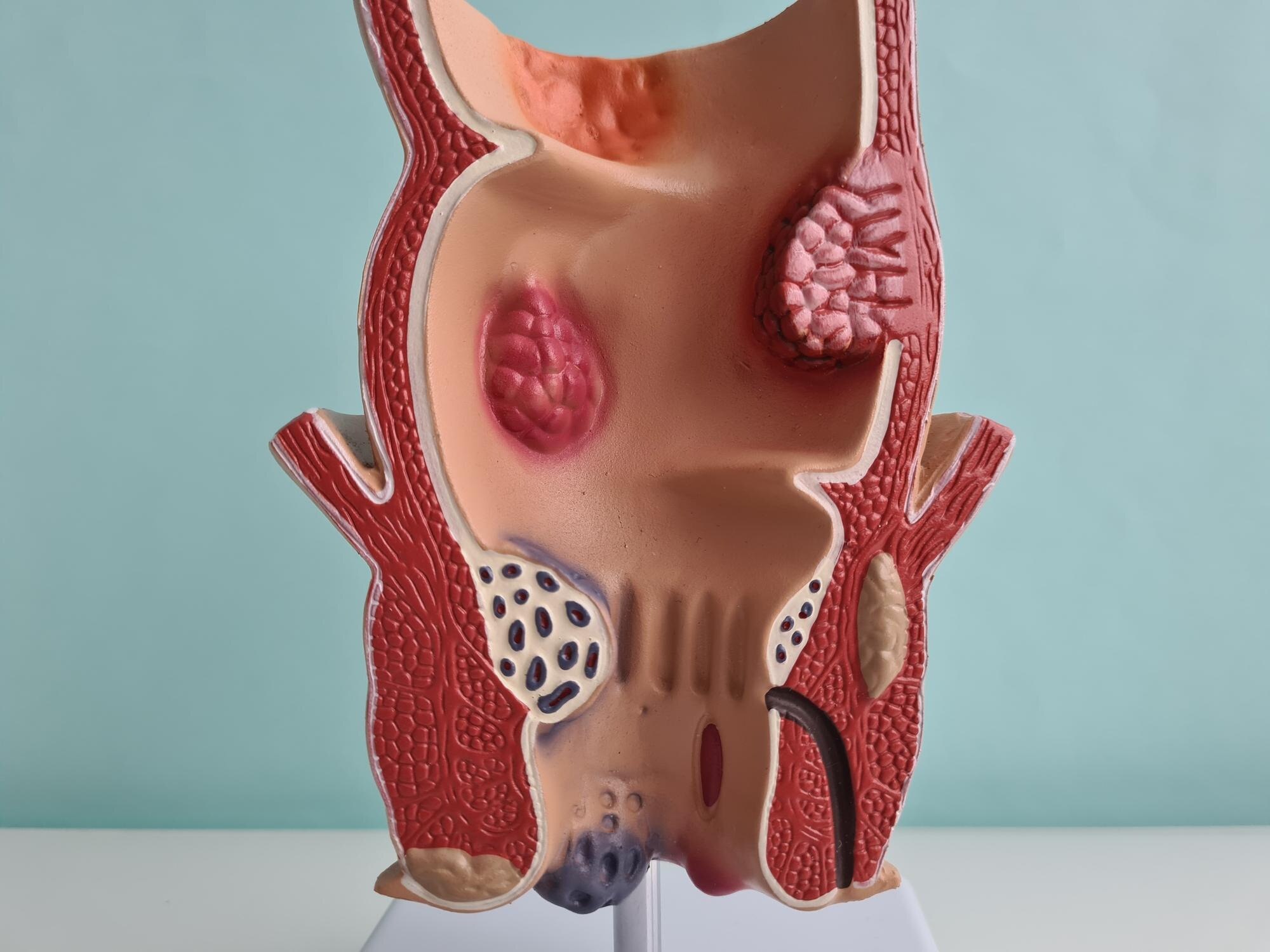
Persistent drainage, repeated swelling, or a wound that keeps reopening does not automatically mean you need one specific operation. You will be able to distinguish an urgent abscess from a chronic fistula, understand how the tract is mapped, compare treatment choices, and prepare useful questions for a surgical consultation.
Key takeaways
- Seek urgent care for fever, swelling, worsening pain, or urinary difficulty.
- Ask how the fistula tract and sphincter involvement were confirmed.
- Compare treatment options by healing prospects and continence protection.
- Clarify seton care, follow-up timing, and warning symptoms before surgery.
When Does an Anal Fistula Need Urgent Care or Planned Surgery?
Urgent assessment is needed for a painful, fluctuant swelling with fever, chills, rapidly increasing pain, urinary difficulty, or feeling unwell. This usually indicates an acute abscess requiring prompt drainage, not a planned fistula operation; antibiotics alone can delay source control.
The question of fistula treatment in Thane when surgery is needed depends on persistence, infection, anatomy, and response to nonoperative care. Persistent drainage, recurrent abscesses, and identifiable internal and external openings support discussion of definitive treatment. An intermittently draining opening may only be decompressing an active epithelialised tract, so drainage is not proof of healing.
Antibiotics usually do not close that tract. They support treatment for cellulitis, systemic infection, immunosuppression, or selected Crohn’s-related disease.
- Consider other causes before choosing an operation: hidradenitis, pilonidal disease, an infected skin cyst, inflammatory bowel disease, and malignancy.
- Seek prompt review for worsening pain, fever, spreading redness, rapidly increasing swelling, or inability to pass urine.
- Ask about Crohn’s assessment when fistulas recur or multiply, or when diarrhoea, abdominal pain, weight loss, or poor wound healing is present.
| Situation | What it suggests | Usual next step |
|---|---|---|
| Acute abscess | Painful swelling and systemic symptoms | Urgent examination and drainage |
| Chronic fistula | Repeated drainage or abscesses with a tract | Map the openings and discuss surgery |
| Unclear diagnosis | A draining opening without confirmed anatomy | Examination and selective imaging before treatment |
How a Clinician Confirms the Tract and Decides Whether It Is Complex
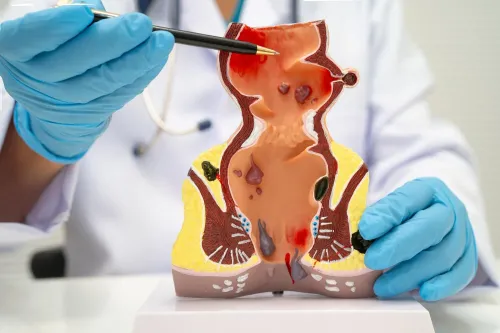
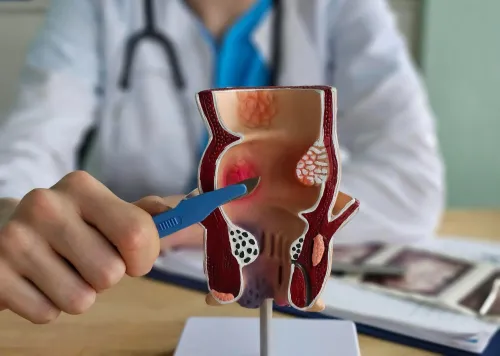
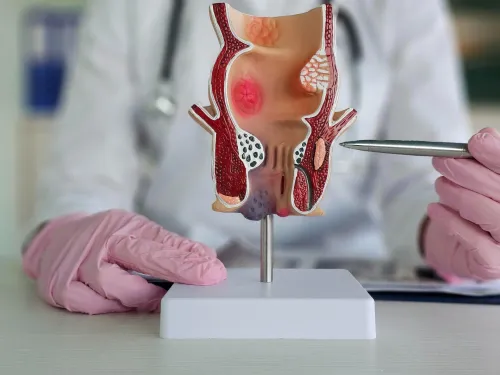
An anal fistula doctor in Thane confirms the tract by inspecting the skin for external openings, scars, swelling, and drainage. A digital rectal examination assesses tenderness, induration, sphincter tone, and a possible internal opening; proctoscopy or anoscopy can inspect the anal canal for that opening.
Pelvic MRI is not mandatory for every straightforward fistula. It becomes useful when disease is recurrent or complex, the anatomy is unclear, Crohn’s disease is suspected, or an occult abscess or secondary branch needs mapping. Endoanal ultrasound is another selective option for assessing the sphincter and tract.
Examination under anaesthesia may be needed when pain, scarring, or uncertainty prevents a reliable office examination. Imaging does not replace direct assessment of the opening, surrounding tissue, infection, and tissue quality.
A fistula is commonly considered complex when it has:
- Substantial sphincter involvement or a high tract
- An anterior tract in a woman
- Branching tunnels or multiple external openings
- Recurrent disease after treatment
- Pre-existing continence problems
- Crohn’s disease or suspected inflammatory bowel disease
Tell the clinician about prior abscesses and procedures, diarrhoea, abdominal pain, weight loss, perianal skin tags, diabetes, medicines, poor wound healing, and relevant scans. Recurrent fistulas, multiple openings, or these bowel symptoms may require colorectal and gastroenterology assessment before choosing a sphincter-preserving operation.
Which Fistula Treatment Options Protect Healing and Continence?
Fistulotomy can offer reliable healing for a low, simple tract involving little sphincter muscle. Cutting substantial sphincter muscle, however, can cause difficulty controlling gas or stool, so the tract’s height and muscle involvement matter more than choosing the most familiar procedure.
| Option | Main purpose | Key trade-off |
|---|---|---|
| Fistulotomy | Lays a suitable tract open | Healing is less safe when much sphincter is divided |
| Loose seton | Keeps an infected tract draining | Usually controls infection before a later procedure |
| Cutting seton | Divides the tract gradually | Requires careful continence-risk assessment |
| Advancement flap | Covers the internal opening | Preserves sphincter muscle in selected cases |
| LIFT | Closes the tract between sphincter muscles | Suitability depends on anatomy, infection and prior surgery |
| Fibrin glue or fistula plug | Limits cutting | Healing is less predictable and repeat treatment may be needed |
| Staged treatment | Treats infection before definitive repair | Requires more than one procedure or decision point |
A loose seton is not necessarily a failed operation; ask whether it is temporary and what the next stage will be. Laser fistula treatment means a device-based tract procedure, not a promise of zero recurrence or zero continence risk. Evidence for laser and energy techniques remains limited by small, varied studies.
For fistula treatment options in Thane, ask about anatomy and expected repeat-treatment risk rather than the device name. Crohn’s disease may need coordinated colorectal and gastroenterology care, because repeated surgery alone can worsen healing or recurrence.
What Recovery, Seton Care, and Warning Symptoms Should You Expect?
Recovery after a fistula operation in Thane depends on the tract, sphincter involvement, procedure, and your general health. Anaesthesia, day-care discharge or hospital admission, time away from work, and the number of follow-up visits should be explained before treatment rather than assumed.
Wound care may involve an open wound, dressings, gentle cleaning, and sitz baths. Ask exactly how to wash the area, whether to replace dressings after bowel movements, and which pain medicines or bowel-management instructions to follow. Constipation and straining can make early recovery harder.
A seton is not automatically evidence that surgery failed. Ask which type is being used, how long it is expected to remain, and what decision comes next.
| Type | Purpose | What you should clarify |
|---|---|---|
| Loose seton | Keeps the tract draining and controls infection before another treatment | Cleaning, review schedule, and planned next procedure |
| Cutting seton | Divides tissue gradually over time | Continence risk, adjustment visits, and stopping criteria |
Staged treatment may begin with drainage control, followed by a definitive operation after infection settles and the anatomy is clearer. Further treatment can still be needed.
A small amount of drainage can be expected after surgery. Seek prompt review for:
- Fever or chills
- Increasing pain, spreading redness, or rapidly increasing swelling
- Heavy bleeding
- Difficulty passing urine
- New loss of bowel control
Report any leakage of gas or stool before surgery. Recording baseline continence lets the team identify whether treatment has changed it.
How to Compare a Fistula Surgeon in Thane Before Agreeing to Treatment
Compare a fistula surgeon in Thane by the questions they answer, not by “best” or “expert” claims. Ask how often they treat complex and recurrent fistulas, whether pelvic MRI and colorectal assessment are available, and how the tract relates to your sphincter.
| Option | Ask what to confirm | Why it matters |
|---|---|---|
| Simple fistulotomy | Which sphincter fibres will be divided? | More muscle division raises continence risk. |
| Seton or staged treatment | Is it loose or cutting, and what is the next stage? | A loose seton controls drainage; a cutting seton divides tissue over time. |
| LIFT or advancement flap | Why does this preserve muscle in your anatomy? | These options suit selected higher-risk tracts. |
| Glue or plug | What healing range and repeat-surgery risk apply? | Less cutting does not mean predictable healing. |
Before agreeing to a fistula operation in Thane, request a written plan covering the openings, procedure, alternatives, recurrence risk, temporary or permanent continence risk, anaesthesia, facility arrangements, emergency support, wound care and follow-up.
Bring your drainage timeline, reports and scans, abscess-drainage or surgery records, medication list, and details of Crohn’s disease, diabetes, diarrhoea, abdominal pain, weight loss or leakage. Seek a second opinion for multiple openings, recurrence, a nonhealing wound, Crohn’s disease, tuberculosis risk or previous surgery.
Dr Pallavi Ajankar,Laparoscopy,Laser Piles Surgeon is one local consultation option, but available information does not establish credentials, success or recurrence rates, complication rates, pricing, anaesthesia, facility details or eligibility; ask directly.
Related service
Piles,Fissure,Fistula Surgeon in Thane Piles,Fissure,Fistula Surgeon in Thane Dr Pallavi Ajankar is the Best Piles,Fissure,Fistula Surgeon in Kasarvadavali, Naupada, Thane West and Thane. View service → |
Frequently asked questions
When does an anal fistula need urgent care?
Seek urgent assessment for a painful, fluctuant swelling with fever, chills, rapidly increasing pain, urinary difficulty, or feeling unwell. These signs can indicate an acute abscess needing prompt drainage.
How does a clinician determine whether an anal fistula is complex?
The clinician examines the external opening, assesses the suspected tract and sphincter involvement, and uses imaging such as MRI when the anatomy is unclear or the fistula is recurrent or complex.
What fistula treatment options protect healing and continence?
Treatment depends on the tract and how much sphincter muscle it crosses. Options can include fistulotomy, a draining seton, and sphincter-sparing procedures selected to balance healing with continence protection.
What should you expect after fistula surgery or seton placement?
Expect wound care, hygiene instructions, follow-up visits, and guidance about activity and bowel movements. Contact your clinician for fever, worsening pain or swelling, heavy bleeding, pus, or difficulty passing urine.
How can you compare a fistula surgeon in Thane?
Ask about the surgeon’s experience with anal fistulas, how tract complexity is assessed, which procedures fit your anatomy, continence risks, expected follow-up, and what happens if the fistula recurs.
Keywords