Pain after lifting can come from a strained muscle, but a new or recurring bulge that changes with standing, coughing or lying down needs a different level of attention. You will learn how to distinguish common patterns, what to do immediately, which symptoms need emergency care and how a surgeon decides between observation and repair.
Key takeaways
- A new lump after lifting points more strongly to hernia than pain intensity.
- Stop heavy lifting and check whether the lump changes when you lie down.
- Seek emergency care for severe pain, vomiting, fever, or a trapped hard lump.
- Book a consultation when swelling persists, grows, or disrupts daily activity.
Muscle strain or hernia: what does the pain pattern suggest?
A new lump is more informative than pain intensity when you compare a muscle strain with hernia symptoms after lifting. Pain from a strained muscle or tendon usually begins during the lift or later that day and remains tied to movement, stretching or pressing the affected area.
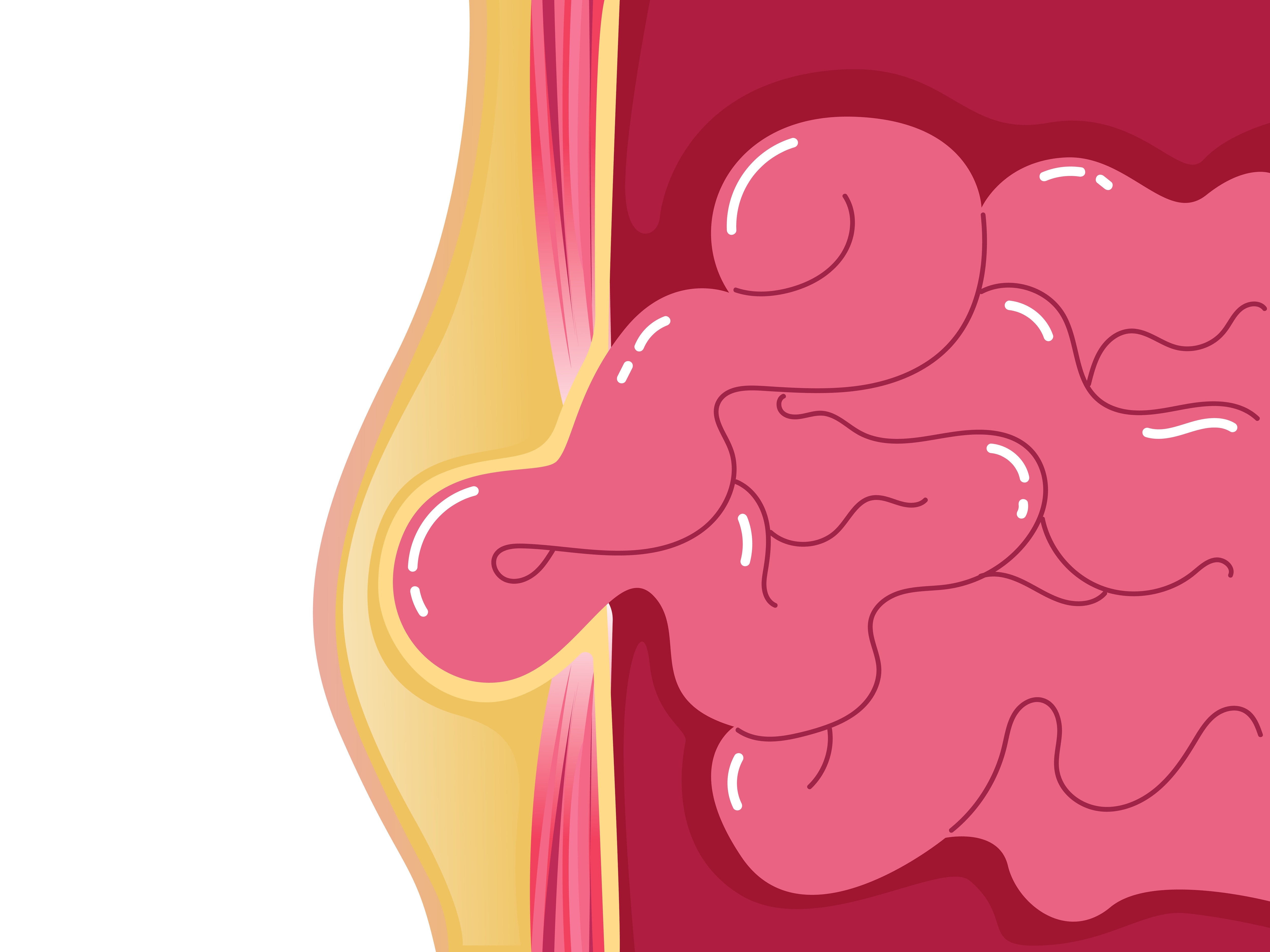
A hernia becomes more likely when a bulge changes with position or pressure.
| Feature | Muscle or tendon strain | Possible hernia |
|---|---|---|
| Pain pattern | Local soreness worsens when you contract, stretch or touch the muscle | Pulling, pressure or burning worsens with standing, coughing, sneezing or straining |
| Visible change | No distinct bulge; bruising or tenderness can occur | Lump appears or enlarges while standing, coughing or lifting |
| Position effect | Pain can continue in the same way while lying down | Bulge often reduces or disappears when you lie down |
| Touch | Tender muscle without a separate swelling | Soft swelling at the groin, navel, scar or abdominal wall |
| After rest | Gradual improvement over several days supports strain | Repeated bulging during activity supports hernia, even if discomfort settles |
This pattern cannot confirm the diagnosis. A clinician usually examines you standing and lying down, asks you to cough or strain, and checks whether the swelling is reducible. Arrange assessment if a lump persists, returns with activity, or limits walking, work or exercise; do not repeatedly press it to test what it is.
What should you do immediately after lifting causes pain or a lump?
Stop lifting and avoid any movement that reproduces the pain. Lie down briefly, breathe normally and check whether the swelling reduces without force. Do not repeatedly press, massage or try to force a painful lump back into the abdomen.
- Note when the pain and swelling began, what you were lifting, and whether the lump appears while standing, coughing or straining.
- Avoid heavy lifting, forceful pushing and repeated straining until you have been assessed. Do not stay in bed for prolonged periods; gentle walking is acceptable if it does not increase pain.
- Treat constipation and persistent coughing, since both raise pressure inside the abdomen and can worsen symptoms.
- Arrange prompt outpatient assessment if pain or a lump persists, returns with activity, grows, or interferes with walking, work or exercise.
A lump that disappears when you lie down may be reducible, but that does not make it harmless or remove the need for review. A clinician will examine its location, tenderness and reducibility rather than judge urgency by size alone.
If you are looking for a hernia pain after lifting surgeon in Thane, book an appointment promptly instead of relying on a truss; a support garment does not close the abdominal-wall defect and must not cover an acutely painful or non-reducible swelling.
Seek emergency care for severe or worsening pain, vomiting, bloating, fever, skin discoloration, or inability to pass stool or gas.
Which hernia warning signs require emergency care?
A painful swelling that becomes firm and cannot be gently returned, especially with escalating pain, requires emergency assessment now—not a routine appointment. These changes can mean incarceration (trapped tissue), bowel obstruction, or strangulation (cut-off blood supply). Do not repeatedly press it, wear a truss, or wait for it to settle.
| Warning sign | What it may indicate | What to do |
|---|---|---|
| Cannot push the lump back, or it becomes tense | Incarceration | Go to an emergency department |
| Severe or rapidly worsening pain with tenderness | Possible strangulation | Seek emergency care immediately |
| Vomiting, abdominal swelling, or inability to pass stool or gas | Bowel obstruction | Attend the emergency department |
| Fever, or skin turning red, purple, or dark | Inflammation or reduced blood flow | Treat it as an emergency |
Size does not decide urgency: a small hernia can strangulate, while a large one can remain reducible. A hernia swelling surgeon in Thane will assess tenderness, skin colour, reducibility, bowel symptoms, and your overall condition, not the bulge alone. Femoral hernias carry particular risk; a painful groin lump in a woman deserves prompt surgical evaluation.
If the swelling remains reducible but keeps recurring or causes persistent pain, arrange an urgent outpatient review.
When should you book a hernia consultation in Thane?
Book a routine hernia consultation in Thane if a lump returns during standing, coughing, lifting or exercise, even when it disappears after you lie down or gently reduce it. Arrange assessment if discomfort persists, the bulge is enlarging, or it interferes with walking, work or exercise.
Reducibility does not make a hernia harmless; it means the tissue can currently return through the opening.
The clinician will establish whether the swelling is a hernia and whether observation is safe by checking:
1. Location and type: groin, femoral, umbilical or incisional hernias have different risks and repair options.
2. Behaviour: examination usually takes place standing and lying down, with coughing or straining. The clinician checks whether the lump reduces, whether it is tender, and whether both groins and the abdomen are normal.
3. Risk features: size alone does not determine urgency. Firmness, worsening tenderness, skin colour changes, vomiting, bloating and difficulty passing stool or gas matter more than the measurement of the bulge.
4. Personal demands: occupation, lifting requirements, exercise, chronic cough, constipation, previous abdominal surgery and general health affect the choice between observation and repair.
If examination clearly confirms a reducible hernia, imaging is not always needed. Ultrasound helps when findings are uncertain; CT or MRI may be chosen for an occult, recurrent, complex or non-groin hernia.
A hernia pain doctor in Thane, such as Dr Pallavi Ajankar,Laparoscopy,Laser Piles Surgeon, uses these findings to avoid unnecessary scans and identify when treatment deserves priority.
Related service
Hernia Surgeon in Thane Dr Pallavi Ajankar is the Best Hernia Specialist, Hernia Doctor, Hernia Surgeon in Kasarvadavali, Naupada, Thane West and Thane. View service → |
Watchful waiting, activity changes or repair: how is the next step chosen?
A reducible, minimally symptomatic inguinal hernia in an otherwise healthy man can be observed, but watchful waiting is not a cure. Increasing pain, repeated bulging or interference with work, walking, exercise or sleep shifts the balance toward repair.
The decision depends on more than the lifting episode:
- Symptoms and reducibility: A painless lump that returns easily when lying down may suit observation. Persistent tenderness, difficulty pushing it back or activity-related pain calls for surgical assessment.
- Hernia type and location: Inguinal, femoral, umbilical and incisional hernias have different complication risks and repair options. Size alone does not determine urgency; a small hernia can strangulate.
- Health and surgical suitability: Previous abdominal operations, obesity, heart or lung disease, medicines and anaesthesia risk affect whether repair is appropriate and whether open or laparoscopic surgery is safer.
- Daily demands and preference: Frequent lifting, physical work, sport or anxiety about recurrence may make planned repair more practical than repeated restrictions. A surgeon also considers your recovery time and preferred approach.
Painkillers can reduce discomfort, but they do not close the abdominal-wall opening. Avoiding heavy lifting can reduce pressure and symptoms without repairing it; massage cannot push the defect closed. A truss may temporarily support a reducible bulge when surgery is unsuitable, but never use it for an irreducible or acutely painful swelling.
Arrange assessment with a hernia pain doctor in Thane or hernia swelling surgeon in Thane if symptoms persist or recur.
Frequently asked questions
How can you tell muscle strain from hernia pain after lifting?
Muscle strain pain usually follows movement, stretching, or pressure without a new lump. A hernia often causes a bulge that appears with standing, coughing, or straining and reduces when you lie down.
What should you do immediately after lifting causes pain or a lump?
Stop lifting, rest, avoid repeatedly pressing the area, and note whether the lump changes with position or coughing. Arrange medical assessment if the swelling persists or returns.
Which hernia warning signs require emergency care?
Seek emergency care for severe or worsening pain, vomiting, fever, abdominal swelling, inability to pass stool or gas, or a firm discoloured lump that cannot be pushed back.
When should you book a hernia consultation in Thane?
Book a hernia consultation in Thane when a lump persists, recurs during activity, increases in size, or causes pain that limits work, exercise, or daily movement.
How is the next step chosen after suspected hernia symptoms?
A surgeon considers the hernia’s size, location, symptoms, reducibility, health risks, and activity demands before recommending observation, activity changes, or surgical repair.
Keywords