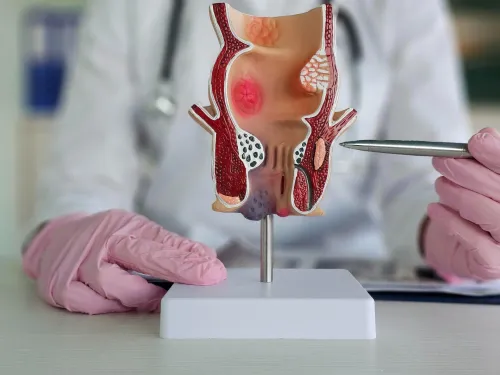

The right specialist depends on where the problem is, whether you need an operation, and how urgently you need assessment. By matching symptoms and diagnoses to the appropriate clinician, checking the surgeon’s actual expertise, and preparing the right records, you can avoid both unnecessary surgery and delays in urgent care.
Key takeaways
- Seek emergency care for severe pain, rigid abdomen, shock signs or heavy bleeding.
- Choose a specialist based on the affected organ and treatment required.
- Bring reports, medication details and symptom timelines to your consultation.
- Compare observation, medicines and surgery before consenting to treatment.
Match your symptoms to the right specialist—and recognise emergencies
Severe or worsening abdominal pain, a rigid abdomen, repeated vomiting with distension, inability to pass stool or gas, black stools, heavy rectal bleeding, fainting, or signs of shock require emergency assessment. Fever with jaundice and a painful hernia lump that cannot be pushed back also need urgent hospital care, not a routine appointment.
| Symptom or finding | Best starting point | Why |
|---|---|---|
| Upper-abdominal pain, reflux or swallowing difficulty | Gastroenterologist | Investigates acid, ulcer, motility and other upper-digestive causes; a gastrointestinal surgeon joins when surgery is indicated |
| Jaundice or suspected gallstones | Gastroenterologist or hepatobiliary surgeon | Liver-function tests and ultrasound guide evaluation; duct obstruction may need specialist treatment |
| Hernia lump | General surgeon or gastrointestinal surgeon | Assesses the hernia type, complications and repair options |
| Rectal bleeding or altered bowel habits | Colorectal surgeon or gastroenterologist | Persistent bleeding needs diagnosis, often including colonoscopy, rather than automatic piles treatment |
| Anal pain | Proctologist or colorectal surgeon | Evaluates fissure, abscess, haemorrhoids and other anal conditions |
| Suspected obstruction | Emergency department, then gastrointestinal or colorectal surgeon | Distension, vomiting and failure to pass gas can signal a surgical emergency |
| Unexplained digestive symptoms | Gastroenterologist | Establishes a diagnosis before referral for surgery |
Do not assume rectal bleeding is haemorrhoids when you also have iron-deficiency anaemia, weight loss, a mass, changed bowel habits or persistent symptoms. Use this map when choosing a gastrointestinal surgeon in Thane or specialist for your condition, and ask who treats the affected organ routinely.
Choose by anatomy and treatment need, not by the word “surgeon”
A gastroenterologist investigates and manages many digestive conditions without operating; a gastrointestinal surgeon evaluates those conditions and performs surgery when it is indicated. Choose according to the organ involved and the treatment decision, not the word “surgeon.”
| Specialist | Main territory | Typical role |
|---|---|---|
| Gastroenterologist | Stomach, intestine, liver and pancreas | Endoscopy, medication and non-operative management |
| Upper-GI surgeon | Oesophagus and stomach | Reflux surgery, ulcers, selected stomach operations |
| Hepatobiliary surgeon | Liver, gallbladder and bile ducts | Gallbladder and bile-duct procedures |
| Colorectal surgeon | Colon, rectum and anus | Bowel cancer, inflammatory disease and colorectal operations |
| Proctologist | Anal canal and rectum | Haemorrhoids, fissures and fistulas |
| General surgeon | Hernias and common abdominal problems | Hernia repair, appendicitis and broader surgical care |
For suspected gallstones, ask for abdominal ultrasound and liver-function tests. If a common-bile-duct stone is suspected, MRCP can map the duct; ERCP is mainly a treatment procedure for obstruction, not a routine diagnostic test.
Asymptomatic gallstones in a normal gallbladder and biliary tree often need observation, while selected men with minimally symptomatic groin hernias may also watch and wait. Women need careful assessment because femoral hernias carry greater strangulation risk. Non-operative appendicitis treatment belongs only to carefully selected patients.
Ask a digestive surgery specialist in Thane which organs they treat, which named procedures they perform, who manages complications, and where suspected cancer receives oncology or multidisciplinary review. Also ask whether observation, medication or referral is safer than an operation.
Know what happens during consultation and which tests may follow
A gastrointestinal surgeon consultation in Thane starts with your symptom timeline: when symptoms began, what triggers them, and whether they are worsening. The surgeon reviews previous illnesses, operations, medicines, allergies and existing reports, then examines your abdomen. A rectal examination is added when bleeding, anal pain, a lump or altered bowel habits make it relevant.
After reviewing the findings, the surgeon forms a working diagnosis before discussing any operation.
Investigations answer different questions:
- Complete blood count: checks for anaemia or infection.
- Liver-function tests: look for biliary blockage or liver involvement.
- Lipase: supports assessment of pancreatic inflammation.
- Ultrasound: commonly identifies gallstones and selected hernias.
- CT of the abdomen and pelvis: assesses obstruction, inflammation and masses.
- MRI: answers selected soft-tissue or bile-duct questions.
- Upper-GI endoscopy: examines swallowing difficulty and upper digestive symptoms.
- Colonoscopy: investigates rectal bleeding, iron-deficiency anaemia or altered bowel habits.
| Test | What it contributes | Preparation or limitation |
|---|---|---|
| Ultrasound | Gallstones; selected hernias | Ask whether fasting is required |
| CT | Obstruction, inflammation or masses | Discuss contrast allergy, kidney disease and pregnancy |
| MRI | Soft tissue or bile ducts | Report metal implants and ask about contrast |
| Endoscopy or colonoscopy | Direct inspection; biopsy when needed | Endoscopy may require fasting; colonoscopy requires bowel preparation |
No universal “full-body” scan or test package suits every patient. Follow the prescribed fasting and bowel-preparation instructions; incomplete preparation can hide disease or delay the procedure.
Compare observation, medication and operations before consenting
A laparoscopic operation uses smaller incisions, but it does not guarantee a shorter recovery or discharge. Dense adhesions, bleeding, unclear anatomy, previous operations or advanced disease can make conversion to open surgery safer; conversion is not automatically a failed operation. Endoscopic or image-guided treatment may suit selected conditions.
Ask whether treatment is necessary, diagnostic, or both.
| Option | Potential benefit | Costs and risks to compare |
|---|---|---|
| Observation or medication | Avoids anaesthesia and incisions | Ongoing symptoms, treatment failure, recurrence, later admission or emergency surgery |
| Laparoscopic surgery | Smaller wounds and often less early pain | Conversion, organ injury, leaks, drains, restricted diet and procedure-specific complications |
| Open surgery | Direct access when anatomy is difficult or disease is advanced | More wound pain, longer stay and recovery, infection, hernia and adhesions |
| Another approach | Endoscopic or image-guided treatment can avoid an operation | It may not provide a durable cure, and reoperation can still be needed |
For gastrointestinal surgery options in Thane, ask about hospital stay, drain removal, diet, time off work, recurrence and reoperation. Acute cholecystitis often calls for laparoscopic removal within one week when appropriate. Selected uncomplicated appendicitis or minimally symptomatic groin hernia can be observed or treated medically, but perforation, deterioration, femoral hernia or strangulation changes the decision.
Piles first need fibre, adequate fluids and no straining. Rubber-band ligation suits selected internal haemorrhoids; conventional haemorrhoidectomy suits persistent, advanced or substantial external disease. “Laser piles” describes a technique, not a guaranteed cure. Diagnose rectal bleeding before any piles procedure.
- Diagnosis and alternatives, including doing nothing
- Anaesthesia, access, conversion and stoma risk
- Warning signs, follow-up and reoperation plan
Verify the specialist, prepare your records and measure the real effort
A credible comparison starts with the exact diagnosis, not “best,” “laser” or “laparoscopic.” Ask which organ the clinician treats, what happens with observation or medication, whether the procedure is therapeutic or diagnostic, and the patient-specific chances of conversion, stoma, reoperation or admission.
| Criterion | Evidence to ask for | Why it matters |
|---|---|---|
| Relevant training | Formal training in upper-GI, hepatobiliary, colorectal, hernia or proctology care | The label “gastrointestinal surgeon” does not prove a fit for every condition |
| Procedure experience | Number and type of the named operation, plus complication and readmission rates | Technique names do not predict individual results |
| Hospital support | Admitting privileges, anaesthesia team, emergency backup and pathology access | A complication needs coordinated treatment |
| Continuity | Who handles wound problems, reports, complications and follow-up; how second opinions are supported | Responsibility must not end at discharge |
Take these items to the appointment:
- A dated symptom timeline, medicine and allergy list, family history, and questions about work, recovery, alternatives and warning signs
- Prior operation notes, discharge summaries and pathology reports
- Imaging discs or portal access, including ultrasound, CT or MRI images rather than written reports alone
- Questions about fasting, bowel preparation, preoperative clearance, time off work, follow-up visits and total travel
For Dr Pallavi Ajankar,Laparoscopy,Laser Piles Surgeon, use the same questions you would ask any clinician and judge the answers by evidence and fit.
Count the non-price burden: travel from Kasarvadavali, Naupada or Thane West, test preparation, clearance appointments, recovery help and repeated visits.
Seek a second opinion before elective treatment if the diagnosis, alternatives or risks remain unclear; do not delay emergency care for severe pain, vomiting with distension, jaundice with fever, black stools, heavy bleeding, fainting, or inability to pass stool or gas.
Related service
Gastrointestinal Surgeon in Thane Gastrointestinal Surgeon in Thane Dr Pallavi Ajankar is the Best Gastrointestinal Surgeon in Kasarvadavali, Naupada, Thane West and Thane. View service → |
Frequently asked questions
When should abdominal or digestive symptoms be treated as an emergency?
Seek emergency assessment for severe or worsening abdominal pain, a rigid abdomen, repeated vomiting with distension, inability to pass stool or gas, black stools, heavy rectal bleeding, fainting or signs of shock. Fever with jaundice and a painful hernia lump that cannot be pushed back also require urgent hospital care.
How do I choose between a gastrointestinal surgeon and another specialist?
Match the specialist to the affected anatomy and treatment need. A gastrointestinal or digestive surgery specialist may assess conditions involving the stomach, intestines, gallbladder, hernias, colon or rectum when an operation is possible or under consideration. Other symptoms may need a gastroenterologist, physician or emergency team first.
What happens during a gastrointestinal surgeon consultation in Thane?
The consultation usually covers your symptoms, duration, triggers, previous operations, medicines and medical conditions, followed by an abdominal or anorectal examination when appropriate. The surgeon may request blood tests, ultrasound, CT, MRI, endoscopy, colonoscopy or other tests based on the suspected condition.
How should I compare surgery with observation or medication?
Ask what happens if you observe the condition, use medication or proceed with an operation. Compare expected benefits, risks, recovery time, follow-up, warning signs and the consequences of delaying treatment before you consent.
What should I bring to a digestive surgery consultation?
Bring prior scan and endoscopy reports, blood-test results, discharge summaries, a complete medicine list with doses, allergy details, operation records and a short timeline of symptoms. Include questions about recovery, work restrictions, costs and follow-up.
Keywords