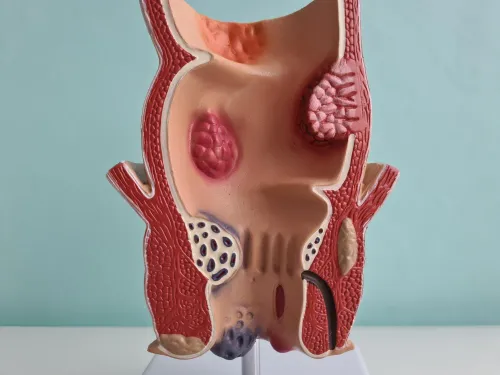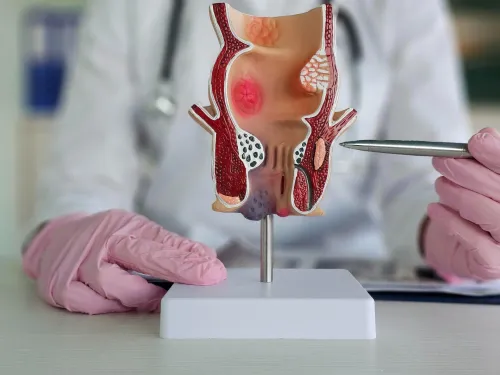

Rectal bleeding, anal pain, a lump or discharge can require anything from medical treatment to urgent drainage or specialist surgery, so booking the first available doctor is not always the safest step. You will learn how to judge urgency, verify a surgeon’s training, prepare the right records and confirm what the consultation and proposed procedure will involve.
Key takeaways
- Seek emergency care for heavy bleeding, black stools, fainting, or severe worsening pain.
- Verify the surgeon’s qualifications, hospital privileges, and experience with your specific condition.
- Bring symptom details, medication lists, previous reports, and insurance information to your appointment.
- Request a written operation plan covering technique, total cost, risks, and recovery time.
Decide whether you need urgent care or a scheduled specialist visit
Heavy rectal bleeding, black tarry stools, fainting, severe or rapidly worsening pain, or vomiting with abdominal swelling requires emergency care. Go to an emergency department rather than waiting for a routine appointment.
Seek urgent assessment for fever with a painful anal or perineal swelling, spreading redness, pus, or feeling suddenly unwell. A suspected abscess usually needs prompt drainage; antibiotics alone do not resolve the trapped infection.
Use this checklist to choose the next step:
- Call emergency services or go to the emergency department for uncontrolled bleeding, fainting, confusion, severe weakness, or black stools.
- Seek same-day medical assessment for fever, rapidly increasing swelling, severe anal pain, or pus.
- Arrange a scheduled specialist visit for recurring bleeding, a persistent lump, anal fissure, fistula, hemorrhoids, rectal prolapse, incontinence, or pain that has not settled.
- Book promptly if constipation or diarrhea continues, symptoms recur after treatment, or you have unexplained weight loss or a change in bowel habits.
- Use a primary-care doctor for mild, new symptoms without warning signs when you need an initial examination or referral.
The relevant clinician may be a colorectal surgeon, gastrointestinal surgeon, or general surgeon with substantial anorectal practice; “anorectal surgeon in Thane” is not a separate statutory specialty title. Check whether the doctor routinely treats your specific condition and performs the proposed procedure.
An anorectal specialist is the right choice when surgery, a fistula tract, an abscess, prolapse, or persistent diagnostic uncertainty is involved.
Choose and verify the surgeon before you book
Match the clinician to the problem, not the label. A “proctologist” is not necessarily a separate statutory specialty title in India; colorectal, gastrointestinal and appropriately trained general surgeons may perform anorectal operations. For a colorectal surgeon appointment in Thane, confirm training, registration and experience with your exact diagnosis.
| Role | Best fit | Check before booking |
|---|---|---|
| Colorectal or gastrointestinal surgeon | Fistula, abscess, rectal prolapse, complex hemorrhoids, cancer concerns | MCh or DNB in Surgical Gastroenterology, or substantial colorectal practice; proposed-operation volume |
| Proctologist | Hemorrhoids, fissure and other anal conditions | The specific procedures performed and recurrence or reoperation rates |
| General surgeon | Common anorectal problems and initial surgical assessment | Recent experience with your condition and technique |
| Gastroenterologist | Bleeding, bowel changes, suspected inflammatory disease or need for colonoscopy | Whether a surgeon is also needed after testing |
| Primary-care doctor | First assessment, constipation, mild symptoms or referral | Whether examination or referral should happen sooner |
Verify the doctor through the National Medical Commission’s Indian Medical Register or the Maharashtra Medical Council. Ask the clinic how often the surgeon performs the proposed operation, whether it is office-based, day-care or inpatient, and what anesthesia is planned. Send these before the visit:
- Referral letter, prior reports, imaging and colonoscopy reports
- Current medicines and allergies
- A short timeline of bleeding, pain, swelling, discharge, bowel changes or incontinence
The surgeon may repeat the anorectal examination because findings and the operation must be assessed directly. Reject guarantees such as “100% permanent” or “painless”; request procedure-specific risks instead.
Book the appointment and prepare the information the clinic needs
Search for “colorectal surgeon in Thane” or “anorectal surgery consultation in Thane,” then check the clinic’s location, appointment method and doctor’s registration. Use the National Medical Commission’s Indian Medical Register or the Maharashtra Medical Council to verify credentials rather than relying only on an online profile.
1. Tell the clinic your main symptom, when it began, bleeding or discharge, pain severity, bowel frequency, constipation or diarrhoea, leakage, fever, weight loss and previous anorectal surgery. Mention every medicine, allergy and relevant family history.
2. Send the referral letter, blood-test results, imaging, colonoscopy report and medication list before the visit. Add a short timeline with dates; this can prevent duplicate tests, although the surgeon may repeat the anorectal examination.
3. When confirming the slot, ask whether the proposed treatment is office-based, day-care or inpatient surgery, what anaesthesia is planned, whether tissue will go for pathology, and what happens if the surgeon finds an abscess, fistula tract, unexpected tumour or more extensive disease.
4. Ask how frequently the surgeon performs that operation, its recurrence or reoperation risk, common complications and expected time away from work. “Laser” or “painless” does not replace a procedure-specific explanation; the least invasive option is not always the most durable.
For a colorectal surgery consultation in Thane with Dr Pallavi Ajankar,Laparoscopy,Laser Piles Surgeon, send these records before travelling so the clinic can review them. If painful anal swelling comes with fever or rapidly worsening pain, request urgent assessment instead of waiting for a routine slot.
Related services
Colorectal Surgeon in Thane Dr Pallavi Ajankar is the Best Colorectal Surgeon in Thane Surgeon in Kasarvadavali, Naupada, Thane West and Thane. View service → |
Proctologist in Thane Dr Pallavi Ajankar is the Best Proctologist in Kasarvadavali, Naupada, Thane West and Thane. View service → |
Know what happens during the anorectal consultation
A colorectal surgery consultation in Thane should establish the diagnosis before anyone discusses an operation. The surgeon should listen to your symptom pattern, inspect the area and explain why surgery is, or is not, appropriate.
1. Expect questions about bleeding, pain, discharge, a lump, bowel frequency, constipation, diarrhoea, faecal leakage, fever and unintentional weight loss. Also report previous anorectal or pelvic operations, medicines, allergies, diabetes, inflammatory bowel disease, pregnancy, and family history of colorectal cancer.
2. The examination commonly includes inspection around the anus, a digital rectal examination and, when appropriate, anoscopy or proctoscopy. Tell the surgeon if examination is painful; do not conceal symptoms that affect continence. A consultation that moves straight to surgery without a diagnosis deserves caution.
3. Ask what the findings indicate and whether you need blood tests, stool tests, imaging, colonoscopy or tissue sampling. Rectal bleeding should not automatically be labelled haemorrhoids, and an abscess, fistula, fissure, tumour or inflammatory disease requires different treatment.
4. Confirm whether medical treatment comes first. Chronic anal fissure, for example, may require constipation control and medicines before lateral internal sphincterotomy is considered; discuss baseline continence, prior sphincter injury, obstetric history and alternatives.
Ask what happens if the surgeon finds an abscess, fistula tract or unexpected tumour, and whether removed tissue will be sent for pathology. Do not stop anticoagulants or antiplatelet medicines without a coordinated plan from the surgeon and prescribing clinician.
Evaluate the proposed operation, cost and recovery plan
Do not agree to surgery until the plan explains what will be done, why it is preferred, and what happens if you choose observation, medicines, an office procedure, or another operation.
Your search to book colorectal surgeon in Thane for anorectal surgery should end with written answers, not a promise of “painless” or “100% permanent” results.
1. Confirm whether the procedure is office-based, day-care, or inpatient; the planned anesthesia; expected pain control; and whether tissue will be sent for pathology. Ask what happens if the surgeon finds an abscess, fistula tract, unexpected tumour, or more extensive disease.
2. Ask how frequently the anorectal surgeon in Thane performs this operation, its recurrence and reoperation rates, and your risks of bleeding, infection, urinary retention, fecal urgency, incontinence, or conversion to a larger procedure. Confirm the expected time away from work and warning signs after discharge.
3. Give the surgeon a complete list of anticoagulants, antiplatelet drugs, diabetes medicines, steroids, immunosuppressants, allergies, implanted devices, and prior operations. Never stop blood thinners yourself; obtain one coordinated plan from the surgeon and prescribing clinician.
4. Request an itemised estimate separating surgeon, anesthesia, hospital, investigations, medicines, pathology, consumables, and overnight-care charges. Ask your insurer about exclusions, waiting periods, package limits, preauthorization, and network status; approval is not guaranteed payment.
5. Confirm the follow-up date, wound-care instructions, prescriptions, contact number, and who handles complications.
Frequently asked questions
When should I seek emergency care instead of booking a colorectal surgeon appointment in Thane?
Go to an emergency department for heavy rectal bleeding, black tarry stools, fainting, severe or rapidly worsening pain, or vomiting with abdominal swelling.
How can I choose and verify an anorectal surgeon in Thane?
Check the surgeon’s qualifications, registration, hospital privileges, experience with your diagnosis, and the facility where the procedure will take place.
What information should I provide when booking a colorectal surgery consultation in Thane?
Share your main symptoms, their duration, bleeding or pain patterns, current medicines, allergies, previous procedures, medical reports, and insurance details.
What should I ask about the proposed anorectal operation, cost, and recovery?
Ask about the diagnosis, alternatives, surgical technique, anaesthesia, itemised total cost, risks, hospital stay, time away from work, wound care, follow-up, and warning signs.
Keywords